Iran at a Crossroads: Jubilation, Grief, and the Aftermath of Khamenei’s Death
News of the death of Ayatollah Ali Khamenei in coordinated strikes by the United States and Israel has triggered sharply divided reactions across Iran. While some citizens poured into the streets in celebration, others gathered in mourning, revealing a nation split by decades of political tension and unrest.
According to Iranian state television, Khamenei was killed inside his office during the attacks. The government quickly declared forty days of national mourning for the cleric who had ruled the country for 37 years, marking the end of one of the most consequential leadership eras in modern Iranian history.
In parts of central Iran, including the city of Isfahan, verified footage showed residents cheering, honking car horns, and lighting fireworks late into the night. Videos confirmed by BBC Persian captured scenes of jubilation, with some families of previously killed protesters also expressing relief and celebration both at home and in public spaces.
Reports from the news agency Reuters indicated that similar celebrations took place in Karaj, a city located near the capital. Bonfires were lit in some neighborhoods, and crowds gathered as fireworks illuminated the sky, signaling a dramatic public reaction to the unprecedented development.
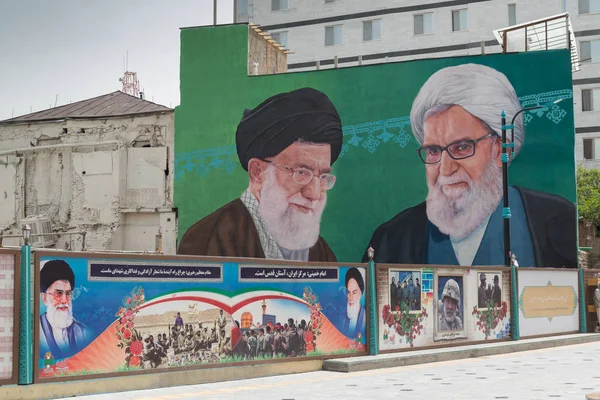
However, the atmosphere in Tehran was markedly different. Images circulated by various agencies showed mourners filling the streets, many holding portraits of Khamenei and expressing sorrow over his death. Pro-government events appeared to dominate the capital in the early morning hours, though the full national response was still unfolding.
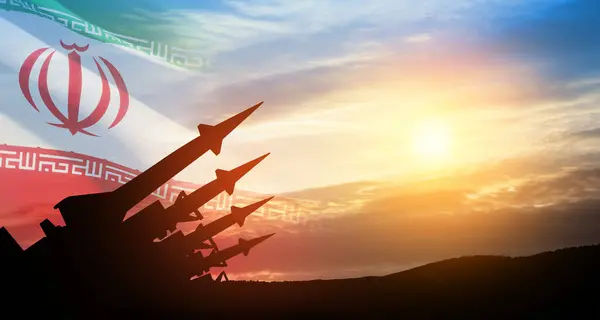
Iran’s powerful military institutions quickly responded with strong warnings. The Islamic Revolutionary Guard Corps issued statements threatening a “devastating offensive” against American bases and Israeli targets, signaling that retaliation could extend across the region and escalate existing hostilities.
The Iranian constitution outlines a clear but sensitive succession process. Khamenei’s replacement must be chosen by the Assembly of Experts, the same clerical body that originally appointed him. Until a successor is named, executive authority would typically be shared among the president, the judiciary chief, and a cleric from the Guardian Council.
International leaders also reacted swiftly to the developments. Former US President Donald Trump described Khamenei as “one of the most evil people in history,” calling his death a historic opportunity for Iranians to reclaim their nation’s future. Meanwhile, global concern grew as more than 200 people were reported killed in the strikes, including dozens of Iranian officials.
The conflict has already expanded beyond Iran’s borders, with reported attacks targeting US allies and military installations across the Middle East, including incidents in Dubai, Doha, Bahrain, and Kuwait. British Prime Minister Keir Starmer confirmed that the United Kingdom is participating in coordinated regional defensive operations, underscoring the far-reaching consequences of this defining moment in Iran’s turbulent history.
We are committed to delivering accurate, balanced, and reliable news without external influence. Your support allows us to remain independent and continue producing high-quality reporting.
If you value our work, please consider making a donation:
Donate via PayPal: paypal.me
What's Your Reaction?