Legal Showdown Sparks New 15% Tariff Plan from Trump Administration
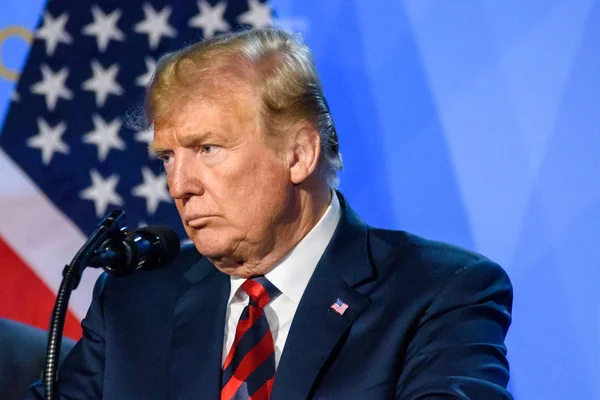
In the wake of a Supreme Court defeat, President Donald Trump unveiled a new proposal to impose a 15% tariff on imports worldwide. The move follows the court’s decision to invalidate his earlier sweeping trade measures, marking a dramatic escalation in his long-running effort to reshape US trade policy.
Trump had first suggested a 10% universal tariff to replace the scrapped import taxes. Shortly afterward, he announced that the rate would instead rise to 15%, the highest level permitted under a seldom-invoked trade authority designed for temporary economic interventions.
The administration is turning to Section 122 of the Trade Act of 1974 to justify the new levy. This mechanism allows tariffs to remain in place for approximately five months, after which congressional approval is required to extend them further.
Confusion remains over when the higher rate will take effect. The original 10% tariff was due to begin on 24 February, but officials have not clarified whether the 15% increase will be implemented immediately or follow a revised timeline.
The Supreme Court ruled by a 6–3 majority that Trump overstepped his authority when he previously used the International Emergency Economic Powers Act of 1977 to impose broad global tariffs. The justices concluded that the statute did not grant the president such expansive trade powers.
Although the court struck down the earlier measures, the federal government had already collected at least $130 billion in tariff revenue under that law. Trump reacted angrily to the ruling, criticizing members of the court and defending his tariffs as essential to protecting American industries.
Trading partners including the United Kingdom and Australia now face renewed uncertainty, despite having negotiated prior agreements at lower tariff levels. While certain sectors remain shielded by separate arrangements, broader trade relations appear increasingly complicated.
American business leaders expressed sharply divided opinions following the decision. Some manufacturers argued that tariffs encourage domestic production and create stable employment opportunities, while agricultural representatives described the ruling as a necessary correction to harmful trade barriers.
European officials warned that mounting unpredictability around US trade policy could damage global economic stability. They emphasized that ongoing tariff disputes risk undermining investment confidence and weakening growth across interconnected international markets.
Support Independent Journalism
We are committed to delivering accurate, balanced, and reliable news without external influence. Your support allows us to remain independent and continue producing high-quality reporting.
If you value our work, please consider making a donation:
???? Donate via PayPal: paypal
What's Your Reaction?