Escalating Conflict and Political Changes in Iran During the 2026 Crisis
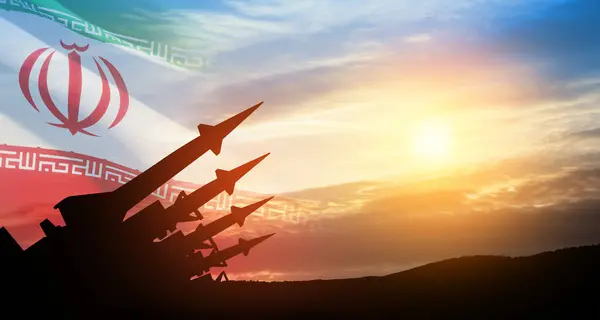
Iran is currently experiencing a major political and military crisis as tensions in the Middle East continue to grow. Recent military confrontations involving the United States and Israel have significantly increased instability in the region and placed Iran at the center of global attention. The situation has raised serious concerns among international leaders about the possibility of a wider regional conflict.
The conflict intensified after a series of coordinated airstrikes targeted key military facilities and leadership locations inside Iran. These operations marked the beginning of a large-scale military campaign that has continued for several weeks and caused widespread destruction in multiple cities. Satellite images and international reports have shown damage to infrastructure and strategic buildings.
One of the most significant developments occurred on February 28, 2026, when longtime Supreme Leader Ali Khamenei was killed during a targeted airstrike in the capital city of Tehran. His death created a sudden leadership vacuum in the Islamic Republic during a period of intense military conflict and political uncertainty.
Following the assassination, Iran’s Assembly of Experts quickly organized a leadership selection process and appointed Mojtaba Khamenei as the country’s new Supreme Leader. The leadership transition happened while the nation continued facing external attacks and increasing internal pressure from political groups and citizens.
Reports from international media indicate that the new leader has not appeared publicly since assuming power. Some officials claim he may have been injured during the early stages of the conflict, although Iranian authorities insist he remains actively directing government policies and military decisions.
Meanwhile, several Iranian cities, especially the capital Tehran, have experienced explosions and airstrikes that damaged residential buildings and infrastructure. Many residents describe an atmosphere of fear and uncertainty as civilians struggle to continue their daily lives during ongoing military operations.
Despite heavy pressure from foreign attacks, Iranian leaders have attempted to demonstrate national unity through large public demonstrations. Nationwide rallies were organized during Quds Day, where thousands of citizens gathered in different cities to show support for the government and protest against the United States and Israel.
The conflict has also begun affecting the wider Middle East region, with missile launches, drone strikes, and security incidents reported across neighboring countries. Analysts warn that continued escalation could threaten international energy supply routes and global economic stability.
As the conflict continues, the humanitarian situation remains uncertain, and many governments around the world are calling for diplomatic negotiations. Observers believe the outcome of this crisis will strongly influence the future political landscape of Iran and the overall stability of the Middle East.
What's Your Reaction?