Donald Trump’s Leadership Tested as Middle East Conflict Escalates
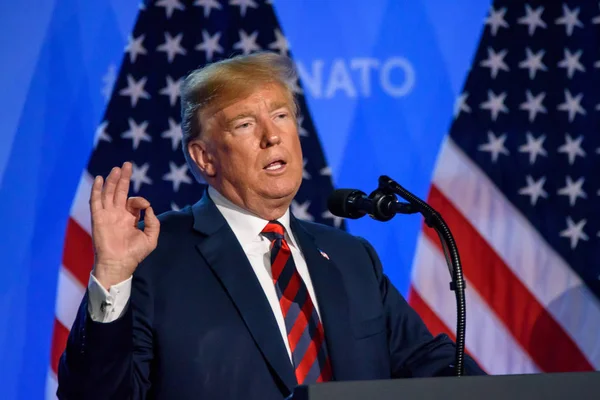
U.S. President Donald Trump has become a central figure in global headlines as tensions in the Middle East intensify. His administration’s military decisions and diplomatic strategies are now shaping international discussions about security, stability, and the future of the region. The crisis deepened after the United States and Israel launched a major military operation against Iran in late February 2026. The strikes targeted Iranian military infrastructure and were presented by the Trump administration as a strategic effort to counter nuclear and missile threats. As the conflict expanded, Trump warned that Iran could face severe military consequences if attacks continued. In public statements and social media posts, he said Iran would be “hit very hard,” signaling the possibility of additional military action. The war has quickly become one of the most serious foreign policy challenges of Trump’s presidency. Analysts say the conflict carries significant risks, including the possibility that prolonged fighting could destabilize the region and complicate Washington’s diplomatic goals. Trump has also taken a firm stance on negotiations with Tehran. At one point he demanded Iran’s “unconditional surrender,” a statement that dramatically raised tensions and made diplomatic solutions more difficult to achieve. The escalating conflict has affected global markets and energy prices. Trump acknowledged that gasoline prices in the United States could rise due to the war but suggested that the situation was a necessary consequence of confronting Iran’s actions. Back in the United States, public opinion remains divided over the president’s strategy. Some political leaders support the military campaign, while polls show that a majority of Americans are skeptical about expanding military action against Iran. Beyond the Middle East crisis, Trump has continued to promote broader security initiatives. At a regional summit, he urged Latin American countries to consider stronger military cooperation with the United States in the fight against drug cartels and organized crime. At the same time, critics argue that the administration’s explanations for the war have shifted over time, creating debate about the long-term objectives of the operation and its potential consequences for international relations. As the conflict continues, Trump’s leadership and decisions are likely to remain under intense scrutiny from both allies and critics. The outcome of the crisis could influence global security policies, economic stability, and America’s role in international affairs for many years.
What's Your Reaction?