Middle East on Edge as Iran Conflict Deepens and Regional Tensions Soar
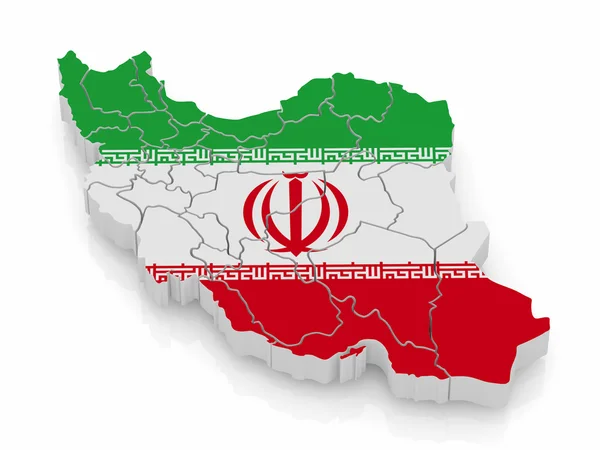
What began as a series of coordinated military operations has rapidly evolved into one of the most dangerous confrontations in the Middle East in decades. The intensifying clash between Iran, the United States, and Israel is now widely viewed by analysts as a defining regional crisis with unpredictable consequences.
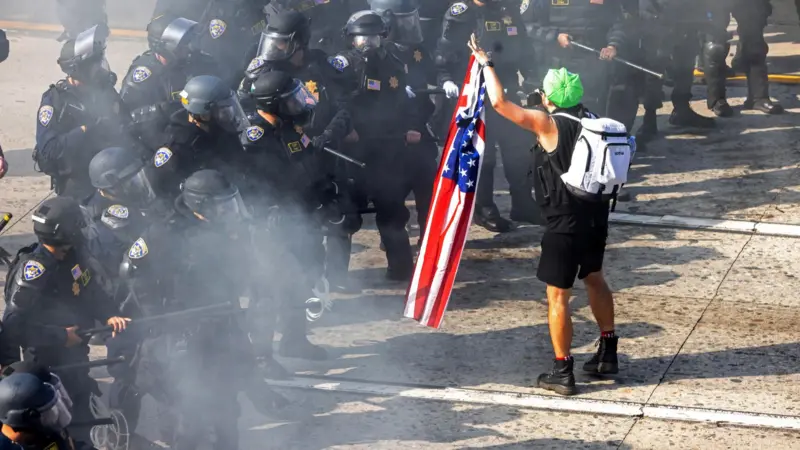
Over the past several days, Israeli and American forces have carried out extensive strikes across Iranian territory. These operations have reportedly focused on strategic infrastructure, military installations, and key command centers as part of a broader campaign launched last weekend.
The human toll inside Iran has risen dramatically as the bombardment continues. Reports indicate that at least 787 people have been killed, with casualties including both military personnel and a significant number of civilians caught in affected areas.
Authorities and local sources have confirmed that essential facilities, including hospitals and other critical infrastructure, have suffered damage during recent strikes. Such attacks have intensified concerns about the worsening humanitarian conditions and the strain placed on already fragile public services.
In major cities such as Tehran, daily life has been severely disrupted by repeated explosions and air raid sirens. Eyewitnesses describe neighborhoods shaken by blasts, while families scramble to find safety or flee areas perceived to be at risk of further attacks.
The cost of the conflict is not limited to Iran alone, as the United States has also reported military casualties. The U.S. government confirmed that six American service members have lost their lives during operations connected to the escalating confrontation.
Iranian forces have responded with missile and drone attacks aimed at Israeli territory and U.S.-aligned positions in the Gulf region. Several launches have reportedly targeted American facilities, Israeli urban centers, and military bases in neighboring countries, fueling fears of wider regional involvement.
Human rights organizations caution that the true number of civilian casualties may be higher than currently reported. Communication disruptions and internet blackouts within Iran have made independent verification difficult, raising questions about transparency and access to reliable information.
As global leaders call for restraint and urgent diplomatic intervention, the fighting shows no immediate signs of slowing. Meanwhile, instability around key waterways such as the Strait of Hormuz threatens global energy markets, leaving civilians across the region facing uncertainty and growing danger.
We are committed to delivering accurate, balanced, and reliable news without external influence. Your support allows us to remain independent and continue producing high-quality reporting.
If you value our work, please consider making a donation:
Donate via PayPal: paypal.me
What's Your Reaction?