A Turning Point in Iran: Uncertainty and Consequences After the US-Israel Strikes
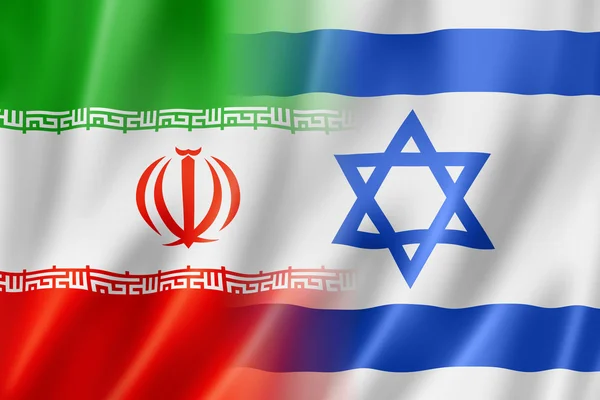
The second day of coordinated military strikes by the United States and Israel against Iran marks a dramatic escalation in regional tensions and global political uncertainty. The attacks followed an unprecedented opening phase that reportedly resulted in the death of Supreme Leader Ayatollah Ali Khamenei at his residence in Tehran, signaling a historic and deeply transformative moment for the Islamic Republic after nearly five decades of clerical governance.
The operation revealed the remarkable depth of intelligence gathered by American and Israeli agencies regarding Iran’s leadership structure and security network. Equally striking was the apparent failure of Iran’s military and protective institutions to safeguard one of the most powerful political figures in the country, raising urgent questions about internal vulnerabilities and future stability.
For Iran’s ruling establishment, the confrontation is viewed not simply as a military clash but as a struggle for survival. Officials had anticipated the possibility of such an attack, especially following last year’s brief yet destructive twelve-day conflict with Israel, which exposed weaknesses in both defensive capabilities and regional alliances.
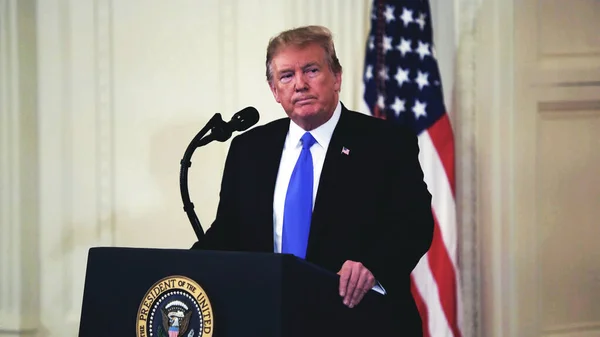
US President Donald Trump and Israeli Prime Minister Benjamin Netanyahu have publicly encouraged Iranian citizens to challenge their government during this moment of instability. Trump described the situation as a rare opportunity that may not return for generations, suggesting that external pressure could trigger political transformation and ultimately lead to regime change within Iran.
Despite these calls, it remains uncertain whether renewed bombing campaigns will reignite widespread anti-government protests across the country. Earlier demonstrations were met with severe crackdowns, resulting in thousands of casualties and leaving many citizens fearful of renewed repression despite continuing economic hardship and political dissatisfaction.
Those protests nonetheless highlighted deep frustration among ordinary Iranians, fueled by economic decline, inflation, and growing skepticism toward clerical rule. However, one decisive factor remained unchanged: the powerful Islamic Revolutionary Guards Corps continued to support the ruling leadership, preventing protest movements from gaining decisive momentum or institutional backing.
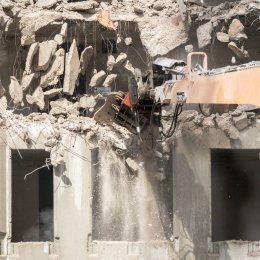
Iran’s armed forces have promised retaliation, but analysts remain uncertain about the scale or timing of any response. Military infrastructure suffered considerable damage during last year’s conflict, and ongoing strikes are further weakening strategic capabilities while limiting Tehran’s range of immediate options.
Regional proxy groups historically aligned with Iran have so far avoided entering the conflict directly. Observers believe these organizations may be deliberately restraining their actions to avoid provoking additional strikes that could further erode their already diminished strength following recent confrontations across the Middle East.
Meanwhile, President Trump has warned that any aggressive retaliation from Iran could trigger an overwhelming military response unlike anything previously witnessed. Although he has suggested that the bombing campaign will continue, the duration, final objectives, and conditions required for declaring success remain unclear, leaving the world watching an unpredictable and potentially defining geopolitical crisis unfold.
We are committed to delivering accurate, balanced, and reliable news without external influence. Your support allows us to remain independent and continue producing high-quality reporting.
If you value our work, please consider making a donation:
???? Donate via PayPal: paypal
What's Your Reaction?